Sorbitol: An In-Depth Look at a Versatile Ingredient
Historical Development
Sorbitol first showed up in nature, long before any chemist thought to extract it. People found it in the berries of mountain ash and in other fruits, eventually learning how to separate and purify it. The discovery dates back to the nineteenth century when scientists dug deeper into the sugar alcohols present in food. They realized sorbitol had qualities that sweetened food for people who struggled with regular sugar. The commercial interest grew as manufacturing became more advanced, and demand for alternatives to sucrose spread—think of the rise in diabetes awareness or the drive to make non-cariogenic sweeteners in toothpastes. Over the years, production methods improved, industrial output soared, and uses diversified far beyond its earliest days as a curious compound in fruit.
Product Overview
Sorbitol shows up in all kinds of products from toothpaste to sugar-free gum to pharmaceuticals. Its gentle sweetness (about 60 percent of regular sugar’s) and its stability at low and high temperatures help manufacturers solve tough formulation puzzles. Take food texture: sorbitol retains moisture and resists crystallizing, which matters for baked goods, hard candies, or even store-bought brownies that need to stay soft. The pharmaceutical world uses it in cough syrups and vitamin chewables, both for the taste and its humectant effect. Since it is less likely to spike blood sugar levels, sorbitol has become a chosen sweetener in diabetic and dental health products.
Physical & Chemical Properties
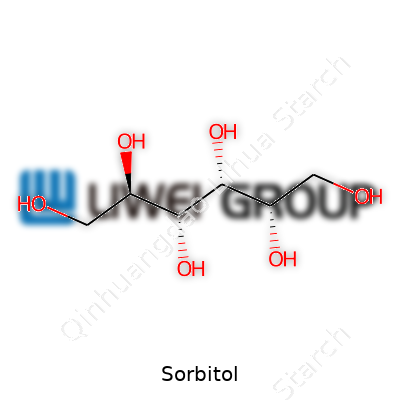
This compound just looks and feels different from table sugar. Pure sorbitol forms a white, odorless powder or clear liquid. It is tasteless beyond a faint sweetness and liquefies easily in warm water. It melts at about 95°C and holds together well in solid form, without absorbing much from the surrounding environment. Sorbitol resists breaking down in acidic or basic solutions making it handy for processed foods and syrups. Its chemical formula, C6H14O6, reflects a sugar alcohol structure that helps deliver calories with a slower metabolic impact compared to sucrose.
Technical Specifications & Labeling
On the shelves, packages disclose content as “sorbitol” or “sorbitol syrup” depending on the form—solid or aqueous. Food-grade sorbitol usually contains at least 98% pure product, with water content clearly labeled when present. Regulations require a full breakdown of associated polysaccharides or impurities, since pure product assures predictable behavior in recipes or pharmaceutical formulations. Most suppliers standardize their products by ensuring clarity, low ash content, and odourless presentation. Since ingestion in excess can cause digestive discomfort, labeling must highlight daily intake limitations or warnings in most regions.
Preparation Method
Modern production leans on hydrogenation of glucose derived from corn syrup or wheat starch. Technicians run glucose through pressurized reactors in the presence of nickel catalysts under hydrogen gas. This turns each aldehyde group into an alcohol, creating the sorbitol structure. Filtration, vacuum evaporation, and crystallization processes follow, removing unwanted byproducts and resulting in pure powder or syrup forms. Manufacturing plants operate under strict sanitary conditions with regular third-party testing for contaminants, especially when intended for pharmaceuticals or foods for children.
Chemical Reactions & Modifications
While sorbitol itself is stable, chemical engineers manipulate it to create derivatives like sorbitan and polysorbate surfactants—important for emulsifying and stabilizing processed foods or cosmetics. The base structure reacts with dehydrating agents or acids, which link molecules or open pathways to build bigger compounds with specialized uses, like softening plastic or boosting shelf life. Sorbitol’s high reactivity with acyl groups finds further application in creams, lotions, and even biodegradable surfactants for home and industrial cleaning.
Synonyms & Product Names
In different corners of the world, packaging lists sorbitol under names such as D-glucitol, E420, or sorbol. Chemical supply chains recognize it as glucitol, reflecting its chemical relationship to glucose. In syrup form, “sorbitol solution” or “aqueous sorbitol” appears on technical datasheets in pharmaceutical and food manufacturing literature. Regulatory frameworks treat these names as interchangeable, provided they refer to the same high-purity product.
Safety & Operational Standards
Manufacturers often find themselves caught between strict oversight and consumer demand. Handling sorbitol doesn’t require unusual safety gear in most settings but carelessness in storage can still lead to microbial contamination or quality loss. Quality assurance labs run routine checks to look for heavy metals, pesticide residues, or unintentional fermentation byproducts. Industry follows benchmarks set by organizations like the Joint FAO/WHO Expert Committee on Food Additives, the European Food Safety Authority, and U.S. FDA. Reasonable manufacturing standards protect workers and consumers while traceability in raw materials fights accidental cross-contamination from allergens or toxins.
Application Area
The footprints of sorbitol stretch across candy aisles, toothpaste tubes, and behind-the-scenes in industrial processes. Food manufacturers put it in diet drinks, diabetic-friendly chocolate, and all sorts of baked goods to keep products moist and sweet. Oral care companies choose it for toothpaste not just for sweetness but also for a creamy texture. Medicine makers add it to sugar-free syrup, cough drops, or chewables, especially when they need a non-sugar option. Outside of direct consumption, sorbitol plays a part in textile, paper, plastics, and even surfactant production for cosmetics and home care, thanks to its ability to modify texture and reduce volatility in formulations.
Research & Development
Scientists still dig for more surprising ways to use sorbitol and its derivatives. Ongoing projects target improved fermentation routes, aiming for lower production costs and better sustainability. Chemists work on tweaking the compound for even more efficient moisture retention or reactivity in new bio-based materials. Bioengineering teams push for using agricultural waste, not just corn, as a feedstock to lessen pressure on food resources and lower carbon footprints. Every premium ice cream, stable lotion, or biodegradable plastic that relies on sorbitol influences the next step in fine-tuning applications for both human health and the planet’s future.
Toxicity Research
Studies show that sorbitol is safe for humans within recommended limits but heavy consumption wreaks havoc on the gut. Its incomplete absorption in the small intestine results in fermentation in the colon, causing gas, bloating, or laxative effects. Regulatory authorities cap the maximum daily intake and require clear warnings on sugar-free candy after case reports of distress in people eating too much. Animal studies have not shown cancer or genetic damage linked to sorbitol, but clinical oversight remains strict, particularly for pharmaceutical delivery or infant nutrition. Researchers keep a steady focus on long-term outcomes for populations routinely exposed through processed foods and oral care.
Future Prospects
Sorbitol’s path forward seems bound up with trends toward healthier eating, environmental pressure, and innovation in materials science. As industries push away from petrochemical-derived compounds, the spotlight turns to bio-based alternatives like sorbitol and its derivatives. With research groups working on more effective conversion processes, the hope is for cheaper, greener production routes using a wider variety of biomass sources. As regulations adapt and consumer preference shifts, sorbitol could grow even more prominent—not just for sweetness, but as a backbone for new biodegradable packaging, coating agents, and healthcare solutions. Researchers and companies that pay attention to the subtleties of purity, sourcing, and ecological impact stand to define the next chapter for this versatile sugar alcohol.
What Sorbitol Really Is
Sorbitol shows up in more ingredient lists than people realize. This sweetener comes from fruits like apples, pears, and peaches—it’s also made commercially from glucose. Its taste is less intense than sugar and doesn’t spike blood sugar so drastically. You’ll find it in sugar-free candies, chewing gum, toothpaste, and even as a thickener in some syrups and jellies. It does the work of sugar without adding the same calories or the cavity risk, which matters to a lot of folks trying to cut back on both sugar and dentist visits.
Why Do Food Brands Love Sorbitol?
Food companies care about taste and shelf life. Sorbitol brings both. It pulls moisture into foods, helping products stay soft longer—think of how many sugar-free cookies wind up tasting fresher. Thanks to its lower calorie count, it lets brands keep treats on shelves for people watching their diets or managing diabetes. According to the U.S. Food and Drug Administration, sorbitol counts as “generally recognized as safe” in moderation.
The Science Behind Sorbitol’s Appeal
Digestion reacts differently to sorbitol compared to regular table sugar. The gut absorbs it slower than glucose, which means blood sugar rises less sharply. The body metabolizes it mostly in the liver, so folks with diabetes sometimes swap regular sugar for sorbitol. For anyone who’s tried using traditional sugar substitutes like aspartame or sucralose, sorbitol feels closer to a natural experience—your mouth recognizes the sweetness, but without the weird aftertaste some artificial sweeteners bring.
Health Considerations: Benefits and Risks
Lower calories and dental safety both stand out. Sorbitol doesn’t feed oral bacteria the way regular sugar does, so there’s less acid released in your mouth, which means your teeth take less of a beating. Most sugarless gum or “tooth-friendly” mints use sorbitol for this exact reason. For those counting calories, sorbitol contains about two-thirds the calories found in sugar, making it a reasonable choice for weight management.
It’s not without bumps in the road though. Our bodies digest sorbitol more slowly, and not everyone handles it well. Eat too much and you can expect gas, cramping, or diarrhea. Health Canada and the FDA both require warnings on some products if they contain high levels. People with irritable bowel syndrome might be especially sensitive—so it’s smart to keep intake low and pay attention to any discomfort.
Beyond Food: Sorbitol’s Other Uses
Beyond the snack aisle, sorbitol pops up all over the place. Many cough syrups, laxatives, and vitamin gummies use it as a base to help with consistency and taste. Hospitals sometimes give sorbitol in medical settings as a laxative to help clear the bowels. Some manufacturers even use it in creams to help skin hold onto moisture—a trick that’s made its way into popular lotions.
Building Smarter Choices Around Sweeteners
It’s important for people to know what’s inside the foods they eat. Reading the label means understanding that words like “sugar alcohols” often include things like sorbitol. If you’re aiming to manage your blood sugar, stay away from cavities, or just cut down on calories, this sweetener can help. The key is always moderation. No single ingredient solves every health issue, but knowing a bit about something as common as sorbitol makes smarter choices a little easier day to day.
Sugar Substitutes Change the Game for Diabetes Management
For those managing diabetes, dealing with sweet cravings can feel like a battleground. With blood sugar control at stake, every bite matters. Regular sugar sends blood glucose on a rollercoaster ride. That's where alternatives like sorbitol step into the spotlight. Sorbitol often shows up in sugar-free candies, gum, toothpaste, and processed snacks. It brings sweetness but claims a lower hit to blood sugar levels than regular sugar. This quality speaks directly to families weighing options for safer treats or snacks for someone with diabetes.
Understanding Sorbitol’s Blood Sugar Impact
Unlike traditional sugar, sorbitol hits the bloodstream much slower. The body processes it differently, leading to a less dramatic spike in blood glucose. For people with diabetes, this might sound like a ticket to guilt-free snacking. Here's the twist: sorbitol still counts as a carbohydrate. Eating large amounts may still push blood sugar upward, just not as quickly as sucrose or glucose. Research shows sorbitol has a glycemic index ranging from 4 to 9, compared to table sugar’s whopping 65. That sounds great until you look at the long game. Overconsumption can work against you, causing both digestive trouble and small, persistent rises in blood sugar.
Potential Side Effects: Not Just About Sugar
Digestive upset stands out as the most common side effect with sugar alcohols like sorbitol. Even a modest amount—think a couple of handfuls of “sugar-free” sweets—can lead to bloating, gas, or diarrhea. Stomach rumbling after sugar-free gum becomes a lesson most people only need to learn once. The FDA even requires warnings about possible laxative effects on products with higher concentrations. For kids and older adults especially, too much sorbitol can be a recipe for real discomfort.
Sorbitol and Long-Term Health
The research so far doesn’t point to long-term harm for those who use sorbitol in moderation. It doesn’t show the damaging tooth decay linked with sucrose, and people with diabetes tend to tolerate it well in small amounts. Still, those using insulin or oral medication need to remember all carbs contribute to glucose control. Counting carbs, including those from sorbitol, keeps surprises off the table. Studies from diabetes clinics underline this point: what matters most isn’t the specific sweetener, but the total amount and frequency of use.
Better Choices and Personal Experience
In my own circle, folks with type 2 diabetes have experimented with sorbitol-sweetened desserts at gatherings. Most agree that once in a while, say at a birthday or special event, a treat with sorbitol offers more peace of mind than a plate full of regular cookies. Still, those using fitness trackers or checking blood sugar notice that portion control stays just as important. Cutting back on processed, packaged foods and sticking to whole foods whenever possible brings less guesswork, fewer label checks, and more steady numbers.
Making Decisions with Confidence
For people with diabetes, sorbitol can play a small, positive role by curbing sweet cravings without spiking blood glucose the way sugar does. Awareness about its limits—its carb content and digestive effects—means small, informed choices add up to better health. Reading labels, tracking responses, and keeping your medical team in the loop supports better outcomes. Sweetness isn’t off the menu, but a little goes a long way.
Walking Through Supermarket Aisles
Food companies love sorbitol. You’ll find it hiding in “sugar-free” gum, low-sugar peanut butter, even in cough syrups and toothpaste. The idea behind swapping in a sugar alcohol like sorbitol looks smart on paper—fewer calories, sweeter taste, and help for folks living with diabetes. But real life often tells a messier story. I've spent more time than I’d like browsing ingredient lists, only to find sorbitol popping up everywhere. I used to think it was harmless until I chatted with a friend who ended up running to the bathroom after chewing a few pieces of sugar-free gum. Turns out, this is a common experience for many people.
Why Sorbitol Causes Digestive Trouble
Sorbitol doesn’t break down fast in the gut. Our bodies only digest a fraction of what we eat—the rest hangs out in the colon, feeding bacteria. This creates gas, bloating, and sometimes a desperate rush for the nearest restroom. In studies, even small amounts—five to twenty grams a day—trigger diarrhea for sensitive folks. Some people don’t notice a problem unless they eat large portions, while others react to tiny amounts.
This isn’t just something that happens to adults. Pediatricians have seen children develop cramps, gas, and watery stools when they eat snacks, fruit juices, and candies packed with sorbitol. In some cases, a parent struggles to figure out the cause of a child’s tummy issues for weeks before stumbling on the label. Doctors now warn about “sorbitol-induced diarrhea” in kids. It might sound minor, but chronic diarrhea can mean dehydration, lost electrolytes, and trouble keeping up with school and playtime.
Sorbitol and Diabetes: Not Always a Free Pass
People living with diabetes might hear sorbitol’s pitch—low calorie, low glycemic impact, no tooth decay—so they grab a sugar-free snack. Sorbitol’s story isn’t all rosy, though. The gut takes its time digesting it, but that doesn’t mean it’s calorie-free. Some calories still sneak into the body, which can affect blood sugar and daily calorie targets. Anyone juggling tight glucose control needs to count those in, especially if they’re eating several “sugar-free” things in a day.
Sorbitol pops up in products targeted at diabetics and weight-watchers. For example, many meal replacement shakes or protein bars are marketed to people watching their carb intake, and these often use sorbitol or its cousins. Awareness requires reading every label and understanding that “sugar-free” doesn’t mean “side effect-free.”
Looking Toward Solutions
No one should have to feel anxious about food choices. Consumer education needs to catch up with food science. Food labeling got a little better; many products now include warnings about laxative effects, especially for children. Doctors and dietitians can help by talking openly with patients who have unexplained gut problems, connecting the dots between diet and symptoms.
Manufacturers ought to be frank about what these ingredients do. “Sugar-free” shouldn’t hide the risk of digestive upset. Many people appreciate a warning on the front, not buried in microscopic print. On the flip side, people can keep a food diary—tracking symptoms helps spot patterns.
Ultimately, sorbitol isn’t evil, but it does demand attention. Anyone with digestive trouble should check labels, try limiting intake, and talk with a healthcare expert if symptoms don’t go away.
Sugar Substitute Spotlight
Bakers and home cooks have been searching for sweet alternatives for years, and sorbitol keeps popping up. Walk down a grocery aisle, glance over the label of sugar-free gum, and chances are you’ll spot sorbitol near the top. The story changes in the kitchen, though. Baking and cooking bring unique hurdles, and swapping out sugar isn’t as easy as it sounds.
What Sorbitol Brings to the Table
Unlike table sugar, sorbitol boasts fewer calories and often gets the thumbs-up for people with diabetes. One teaspoon contains just over half the calories compared to sugar. It sweetens food without causing a harsh spike in blood sugar. This is the reason it finds a home, not just in the candy jar, but also in “diet” products around the world.
From my own kitchen, I know the lure of feeding a sweet tooth while keeping an eye on health. Family members on low-sugar diets perk up at the idea, but sorbitol isn’t just sugar in disguise; it acts differently. This fact has mattered in my own baking experiments. Cookies come out softer, cakes stay moist for longer, and frostings build a unique texture that clings instead of dripping. Scientific studies support this experience. Sorbitol’s ability to attract and hold water leads to these longer shelf-lives and moist textures. Researchers from the Journal of Food Science confirm sorbitol does a fine job keeping baked goods from drying out.
Baking Realities and Roadblocks
Anyone aiming to swap out sugar for sorbitol in grandma’s cookie recipe will spot key differences. Sorbitol lands at about 60% as sweet as sugar, so those taste buds might not hit the expected note. That sweetness gap demands recipe adjustments and, sometimes, a mix of sweeteners to balance out flavor.
Texture and browning offer more curves in the road. Sorbitol does not caramelize. Sugar provides more than sweetness; it builds texture, promotes rising, and helps golden crusts develop. Pull a cake crafted using only sorbitol from the oven and don’t expect that familiar browned top. On top of that, using too much sorbitol in a batch can cause digestive upsets, especially for kids. Food scientists point out a daily limit; most adults manage up to 50 grams a day, but exceeding that can bring unwanted stomach trouble.
Best Ways to Use Sorbitol
Those looking to bring sorbitol into home baking find the best results in recipes that don’t rely on sugar for structure or browning. Chewy cookies and moist cakes handle the switch better than crisp cookies and caramel sauces. Baked goods store a bit longer thanks to that moisture retention. Ice creams and candies benefit from sorbitol’s reputation for preventing crystallization.
If you’re considering sorbitol, it helps to mix it with other sweeteners when you want more depth of sweetness or when you care about browning and crunch. Start out swapping half the sugar in a favorite recipe, then judge taste and texture. Small-scale experimentation makes a difference in avoiding those digestive hiccups and building something everyone around the table enjoys.
A Practical Move for Modern Baking
Sorbitol gives bakers a real option for reducing sugar and keeping baked goods soft and shelf-stable. Yet, knowing its limits—along with wise, moderate use—keeps things from going sideways. For people managing diabetes or just hoping for a lighter treat, it carves out a place in the pantry. The value sits not in making a simple switch, but in embracing new techniques and listening to your own taste buds and health needs.
Looking Closer at Sorbitol
Sorbitol gets tossed into everything from sugar-free gum to cough syrup these days. It tastes sweet but avoids raising blood sugar a lot, and manufacturers lean on it for low-calorie treats. Every time I walk down the grocery aisle, I spot it in ingredient lists for fruit snacks, toothpaste, and everything in between. Since sorbitol pops up in so many everyday products, plenty of parents want to know whether it's a smart pick for kids and soon-to-be moms.
Digestion and Kids
Sorbitol moves through the body a bit differently from regular sugar. Our guts only have so much power to break it down. When children eat too much, they may end up with bloating, stomach cramps, or even diarrhea. Studies show that even small doses—sometimes under 10 grams—can bring on trouble for little ones. Just one sugar-free snack or two packs of gum might hit that mark. Children’s bodies work hard, but they’re still growing, and their digestion can be touchier.
Juggling a balanced diet for my own kids means keeping an eye on labels, especially since artificial sweeteners sneak into lunchboxes so quickly. Pediatricians across North America remind families that products with sorbitol should never replace real fruit or complex carbs in meal plans for children. Children learn about food in their youngest years, and eating patterns built on whole foods lay the groundwork for stable health.
Considering Pregnancy
Pregnancy shifts the body’s machines into overdrive. Morning nausea or heartburn push some toward sugar-free mints and medicines where sorbitol hides. According to Health Canada and the US Food and Drug Administration, sorbitol in modest amounts does not harm pregnant women or their developing babies. Still, eating several servings per day brings risk of gastrointestinal problems, dehydration, or poor absorption of nutrients. These side effects matter for pregnant people, since even short episodes of diarrhea and stomach cramps impact daily comfort.
I watched friends during pregnancy struggle to find snacks gentle on their stomachs that didn’t load up on sugar alcohols. Reading nutritional panels adds stress, especially in the weeks when everything feels uncertain. Guidance from registered dietitians and family doctors reflects current research: an occasional serving in gum or medicine won’t hurt. Safe pregnancies depend on hydration, a steady supply of micronutrients, and limiting unnecessary additives.
What About Long-Term Health?
Maybe the core question isn’t just whether sorbitol triggers stomachaches. It’s about what regular exposure might mean over years. Current research does not point to cancer or developmental problems linked with sorbitol in children or adults. Still, too much builds bad habits. Eating a bag of sugar-free candy may lead to regret, but relying on these products week after week signals that something’s missing from diets—fiber, vitamins, or the fullness real fruit gives.
Practical Steps Forward
Reading nutrition labels pays off, especially for kids or pregnant women. Children do not handle sorbitol the way adults do. Small exposures happen—no one wants to ban every sugar-free treat at birthday parties—but daily or frequent consumption sends the wrong message about healthy eating. For pregnant people, a few pieces of sugar-free gum or cough syrup here and there stays in the safe zone.
Leading health organizations recommend moderation and variety. Kids and expecting moms often do best with snacks built from whole ingredients, not long lists of sweeteners. When taste and texture tempt you toward sugar-free choices, think twice about the whole day’s meals. That way, families share food that supports growth, comfort, and health—without unexpected surprises from the label.