Corn Starch: Core Basic Raw Material for Grain & Oil Deep Processing

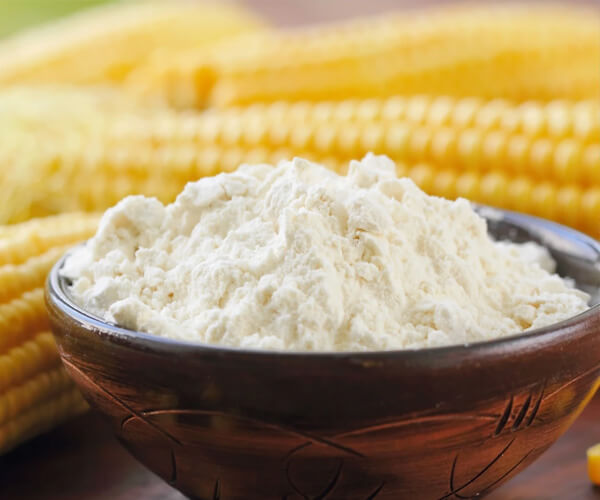
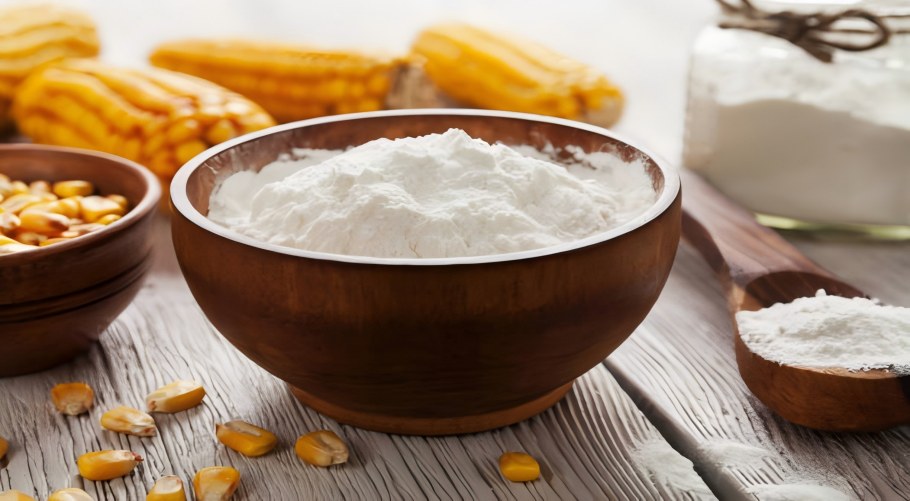
Corn starch shapes more of our modern world than most notice. Every grocery run or mealtime brings it into the spotlight, whether you realize it or not. My early work in a mid-sized food factory opened my eyes: every shift proved that corn starch powers everything from crispy coatings to creamy sauces. Factories rely on its thickening ability, but its story stretches out far beyond an ingredient label. Deep processing starts with corn starch, since it offers a consistent base that supports innovations in grain and oil products. It lets food scientists create shelf-stable bakery products, glossy confections, and instant noodles that hold up under the stress of factory lines or boiling water. Farms and processing plants tied to corn starch production anchor countless communities, especially across rural landscapes where growing jobs means keeping families together. The ripple effect from a single processing plant can be felt for miles: truck drivers, equipment technicians, quality control teams—all find steady work because corn starch stays central to the chain. I remember local families who celebrated when a processing facility expanded, not just because it meant pay checks but because the entire town grew more stable. A bag of starch on a factory shelf hints at far-reaching economic impact, grounding entire regions in long-term opportunity. According to U.S. Department of Agriculture data, the corn refining industry accounts for nearly 70,000 direct jobs and supports many more downstream.Science classrooms often use corn starch for basic experiments, showing how it thickens water and reacts with heat. That simple fun holds true in industrial kitchens too—except here, it means food companies can shift product texture, mimic fats without real fat, or stabilize frozen meals so they thaw out like fresh food. Over time, discovery drives new uses. Glucose syrups and sweeteners, all extracted from this humble powder, show up in sodas, jellies, yogurts, and sports drinks. In Asia, the rise of plant-based snacks leans on starch’s ability to reshape traditional recipes, offering vegan versions of age-old dishes. Scientists now modify starch structures to tweak how it digests, which supports foods with a low glycemic index, helping fight rising diabetes rates.Deep processing of grains and oils often puts extra pressure on the environment, especially with big-picture concerns about fertilizer use, water consumption, and runoff. From personal experience in agricultural outreach work, I met growers exploring no-till farming and precision irrigation, hoping to not just boost yields but protect fragile soils. Corn starch itself, as a raw material, invites questions about sustainability: are we favoring quick profit at the cost of long-term land health? As concerns about microplastics in packaging rise, companies also experiment with corn starch-based bioplastics—a promising field with room for growth. Recent research from the Plastics Industry Association found that bioplastics can cut greenhouse gas emissions in half when compared to petroleum plastics, offering cleaner packaging and disposable cutlery solutions. The battle for affordable, high-quality food plays out every day in food processing plants, and the price of corn starch sits at the center of strategy meetings. During global crises or supply chain disruptions, I saw how a spike in corn costs could close the doors on entire product lines. Producers scramble for ways to adapt—blending other starches, changing product sizes, or reworking recipes. The margins in food processing run slim, and the risk of price shocks puts added pressure on transparent sourcing. Corn trade also links American midwestern farmers with industrial customers in Europe and Asia, underlining the need for international cooperation. The United Nations Food and Agriculture Organization has repeatedly underscored the risk that volatility poses to food security, especially for low-income communities.A new generation of food scientists, business leaders, and farmers aims to take corn starch from commodity status to a more responsible future. In my university research groups, progress was slow, but breakthroughs did happen—a more drought-resistant corn hybrid here; a new way to process starch without harsh chemicals there. These changes happen in fits and starts but add up, cutting the environmental impact of large-scale food operations and driving healthier choices onto supermarket shelves. Companies now team up with universities, pooling resources to train up supply chain managers and chemists who ask hard questions about waste and ethics. Investment in traceability, regenerative agriculture, and next-generation packaging all makes a dent, pushing corn starch beyond business-as-usual. Corn starch brings the story of global agriculture, industry, and food innovation together. Its versatility offers answers to practical problems, but the work to balance its economic, social, and ecological footprints continues. My path—from factory floor to academic research—showed that no answer stands in isolation. Sustainable production needs long-term investment across every step, from healthy soils to smart processing and smarter packaging. The intersection of tradition, modern science, consumer demand for transparency, and pressure for ecological responsibility shapes every decision, and corn starch is right at the center of that debate, reflecting both the challenges and promise of the global food system.
Food-grade Sorbitol: High Moisturization for Baking & Candy Production

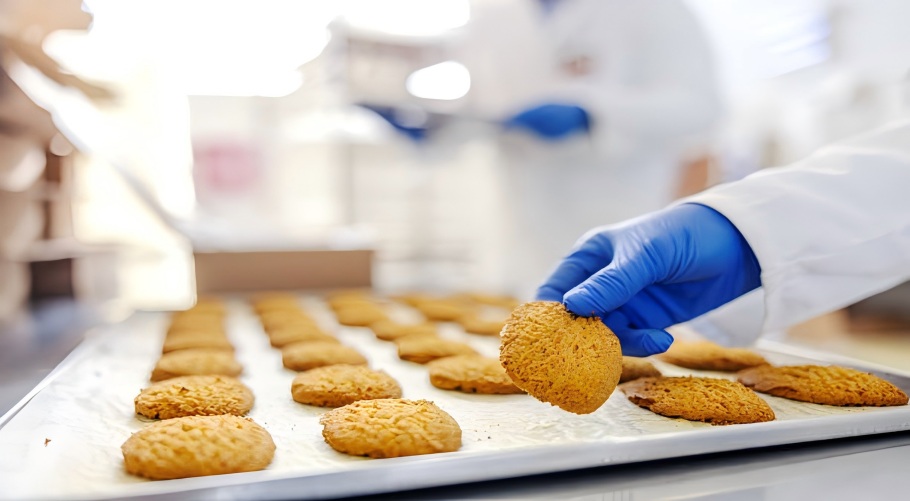
Walk through a bakery in the early morning, and the smell of soft, just-out-of-the-oven pastries often connects to one unassuming ingredient: sorbitol. Most home bakers know the heartbreak of biting into a cookie that’s transformed into a dry, tasteless puck overnight. Sorbitol steps in as a quiet guardian of freshness, locking in moisture longer than traditional sugars. From my days in a bustling pastry kitchen, few things proved more frustrating than returning for the day’s prep only to find yesterday’s delicate treats dried out and unsellable. Incorporating sorbitol often rescued batches, delivering cakes and confections with a tender bite days after baking. Unlike some sweeteners, it draws water and keeps it there, cutting down on staleness and crumbling. For anyone baking for a big crowd or prepping in advance, it’s hard to beat that practicality.Refined sugars caramelize beautifully and help create a classic snap in brittles, but they don’t help much when you want chewiness or longevity. Certain recipes—think soft-baked cookies, fudge, jellied candies—thrive on having enough water bound within their structure. Where regular sugar comes up short, sorbitol makes up for it through its ability to hang onto water molecules. Commercial producers lean on this trait to keep marshmallows or chewy candies from going tough before they hit the shelves. Based on food science studies, candies made with sorbitol resist crystallization and drying out, so texture stays appealing longer. That’s not just convenient for the manufacturer; it’s a huge plus for consumers who want quality in every bite, not just on the day of purchase.Sorbitol’s introduction to food hasn’t been just about texture. Its profile as a low-calorie sugar alcohol shifted how many look at baking and sweets, especially for diabetics. My grandfather enjoyed dessert more after he discovered some sweets could be made with sorbitol, supporting better blood sugar control. The European Food Safety Authority and the FDA both mark sorbitol as safe for human consumption, provided it’s used within reasonable amounts. Long-term studies show minimal health concerns for healthy adults, though large quantities can bring on some digestive discomfort. For most people, its lower caloric content adds flexibility to dietary choices, offering the chance to enjoy occasional treats without a sugar spike.Major food brands and independent bakers alike face pressure to deliver products that stay fresh, safe, and appealing. Sorbitol acts as a humectant, meaning it helps products pull in and retain moisture, which helps slow down mold growth and staling. After speaking with a few artisan candy makers, the proof rests in fewer wasted batches and lower rates of customer complaints tied to dry, hard sweets. Unlike some additives, sorbitol doesn’t need to hide behind unfamiliar chemical names, and it appears clearly on ingredient lists. That presence helps customers make informed decisions, a key point as more people care about transparency and safety in packaged foods.Scaling up from home baking to commercial output brings new challenges. Achieving consistent moisture and mouthfeel across hundreds or thousands of products isn’t easy without reliable ingredients. Sorbitol brings a practical solution, especially where shelf life matters. More than half the local cafés I’ve worked with turned to sorbitol for their pastries headed to markets and events. Its use helped reduce returns and complaints because treats made days before still tasted like they just came out of the kitchen. For smaller brands without the luxury of constant restocks or huge production runs, this ingredient often bridges the gap between quality and convenience.Looking ahead, educating customers matters just as much as sourcing quality ingredients. Some shoppers see a sugar substitute and worry about synthetic additives. Giving customers real information, backed by scientific research and regulatory approval, helps build trust. Food-grade sorbitol deserves a fair look as an ingredient that lifts texture and extends shelf life, supporting both taste experience and food security by wasting less. Research into natural sources of sorbitol—like apples, pears, or mountain ash berries—continues, while larger food businesses investigate how best to balance sweetness, moisture, safety, and health. For anyone passionate about better baking and candy production, sorbitol provides a practical, proven way to get more mileage and enjoyment from every bite.

Dextrose Monohydrate: Stable Market, Rising Demand in Food Industry

Dextrose monohydrate has found a solid place in kitchens, bakeries, and factories that put food on grocery shelves. For years, it has acted as a faithful agent for sweetening, fermentation, and preservation. Many folks, myself included, probably reached for everyday products without realizing dextrose made bread rise, made jams taste right, and even kept sport drinks consistent. It’s natural for people to crave familiar tastes and textures, so the food industry keeps building on something proven and safe. Companies rely on dextrose’s simple chemical structure to deliver the quick energy boost a tired student or busy worker wants midday. Big brands use dextrose as a go-to ingredient because it drives taste preferences and helps keep product costs in check. Knowing this makes its steady market value less surprising, since it’s tough to find a food category untouched by its influence.The steady market for dextrose monohydrate speaks to more than just production volume; it reveals the deep ties between crop harvests, commodity pricing, and what ends up in everyone’s shopping cart. As corn crops thrive, so does the bulk production of dextrose. That consistency reassures both factory owners and investors who remember ripples caused by supply shocks in other food additives. Personally, buying groceries over the years, I’ve watched how sudden shifts in pricing for ingredients like cocoa or vanilla disrupt both availability and affordability. Dextrose’s longstanding price stability gives bakeries and food brands the freedom to plan recipes and budgets without as much fear. This certainty trickles down to households and restaurants, where familiar bread and drinks don’t disappear overnight or show up costing twice as much. Stable input prices do more than help big businesses; they keep home cooks trying new recipes without breaking the bank. Safe, familiar ingredients mean families can focus on nutrition and taste, not labeling confusion or sticker shock.Every time a new snack or meal replacement appears on the store shelf, the demand for taste, mouthfeel, and shelf life grows. People eat on-the-go now more than ever. Portable breakfast bars and energy drinks show growing interest in both convenience and feeling satisfied or energized. Dextrose, sourced mostly from corn, powers these products. As more folks chase fitness goals or simply want quick recovery after busy days, sports nutrition brands turn to dextrose for its ability to act fast. Ask an athlete who’s run a marathon—nothing hits the bloodstream faster for recovery during training. Then there’s candy and baked goods. From classic confections to trendy “healthier” snack options, dextrose steps in for just the right texture and moisture, its long track record making it a trusted bet for consistency. Producers who want to lower sugar content while keeping sweetness levels up have also leaned into dextrose, which has a lower molecular weight than sucrose, helping balance taste and caloric intake.Healthy eating remains a big talking point, yet many folks gloss over the distinction between table sugar and alternative carbohydrates like dextrose. Both metabolize quickly, spiking blood sugar and offering that instant lift some days truly demand. Yet, over the years, I’ve noticed more people reading nutrition labels, spurred by an uptick in diabetes awareness and interest in lower-glycemic diets. Here, dextrose brings up two sides. On one hand, its inclusion allows food makers to tweak labels, often showing reduced “sugars” or fewer calories compared to formulas heavy in standard table sugar. On the other hand, real potential for health confusion emerges—people see one less gram on a label and assume a product is healthier, even if the physiological impact is nearly identical. Consistent and honest labeling matters more than ever. The FDA and international food regulators keep auditing claims, but responsibility for consumer understanding goes much further. From firsthand experience volunteering in nutrition education, I’ve seen confusion about sweetener sources fuel poor health choices, especially among younger or lower-income communities. Genuine education and clear, honest packaging are critical steps if the food sector wants to maintain trust.Food production never stands still, and neither does the push for smarter, greener supply chains. Most commercially available dextrose monohydrate still comes from extensive corn farming, a process deeply tied to issues like water use, fertilizer runoff, and land management. Growing up in a rural area, I’ve watched how fluctuating demand for corn impacts local economies and even the amount of dust in the summer air. As more food companies set goals around environmental stewardship, attention shifts to the entire lifecycle of their ingredients, from planting to packaging. Sustainably produced dextrose, perhaps through improved crop rotations or lower-impact refinement, could move the industry closer to real change. Today’s consumers want food they trust, grown with respect for both people and the planet. Larger buyers might reward growers for cleaner soil practices or reduced emissions. Technology offers another layer of promise—fermentation-based manufacturing of dextrose or innovation in enzymatic conversion brings the idea of “clean-label” ingredients closer to daily reality. Pursuing these steps lets industry leaders stand out not just on taste or price, but on their environmental footprint. Food labs, when run on curiosity and backed by solid science, push the market forward.Small companies and startups can find creative ways to use dextrose in newer product categories, such as plant-based alternatives or non-dairy desserts. Listening to changing preferences, they might experiment with finely tuned sweetener blends that lower overall sugar but enhance flavor profiles. Established names have the resources to invest in research, seeking ways to offset challenges like rising raw material costs or new regulatory limits on added sugars. For all players, collaborating more closely with farmers builds supply chain resilience and helps overcome disruptions, whether from unpredictable weather or shifting trade rules. From my own career in the food industry, I’ve seen the power of buyer-grower partnerships not just to steady pricing, but to foster real peer learning—about more efficient irrigation, crop resilience, or even packaging waste. Sharing what works and what doesn’t, across both farm and factory floors, leads to market progress everyone can taste.Solving the challenges around dextrose monohydrate doesn’t require flashy technology; honest collaboration ranks just as high. Faster adoption of transparent labeling and more direct education for shoppers helps everyone navigate ingredient lists and make informed food decisions. Food scientists and nutritionists can push for recipes that balance flavor and health without tipping the scales into confusion or compromise. Regulators, in turn, should work closely with industry to clarify standards but not stifle the creativity that has made modern packaged foods as accessible and appealing as they are today. Researchers pushing plant-based or low-impact corn farming deserve greater recognition, since they lay the groundwork for stable, affordable ingredients. Food makers, big and small, earn lasting respect through direct action and clear communication, more than through clever advertising or short-lived trends. Greater supply chain transparency, responsible sourcing, and community education remain the keys to a stronger, more reliable food industry that keeps dextrose monohydrate working for the benefit of all.

Anhydrous Dextrose: Favorable Export Market, Rising Global Demand

Walk through any plant that churns out candy bars, baked goods, instant drinks, or energy supplements and you’re bound to come across bags marked "Anhydrous Dextrose." Maybe it looks like just another refined sugar, but there’s more at work beneath that powdery coating. Anhydrous dextrose, produced from corn or sometimes wheat, finds wide favor because it gives food texture, quick sweetness, and reliable consistency that recipes need. Over the past decade, a shift has happened: regions like Southeast Asia, the Middle East, and South America have started buying up record amounts. Producers from India, China, and the US now slug it out in trade fairs and on video calls, fighting for new supply contracts. Having spent time consulting for a mid-sized food maker in Southeast Asia, I witnessed firsthand the way manufacturers responded to imported dextrose. They valued its purity and shelf life. The stuff doesn’t cake as quickly in the humid warehouse, and bakers appreciated how it blended compared to some local sources that clump in heat.Globally, food and beverages soak up most of the demand, with anhydrous dextrose showing up everywhere: jams, soft drinks, ready-made sauces, and even some sports drinks. But the boom isn’t just about food. Pharmaceutical firms source it for quick-dissolving pills and as a carrier for active ingredients. Personal care brands slip it into face creams and scrubs. There’s also a solid trading market for technical dextrose used in fermentation or chemicals. Over recent years, the market’s continued to expand as new uses get discovered. Take the pharmaceutical sector: as drug firms deepen their footprints in Africa and Central America, they hunt for stable ingredients that hold up in logistics chains where temperature control remains unreliable. Dextrose fits that bill. According to data from the UN Comtrade database, the global export value of glucose and dextrose products doubled from 2015 to 2022, with India and China capturing most of the increase.Producers of anhydrous dextrose have seen their cost structure swing due to wild movements in grain prices. US Midwestern corn farmers and Black Sea exporters found themselves in the spotlight during geopolitical tension and dry spells. Supply chain hiccups from the pandemic sparked additional volatility, leading buyers to seek out diverse sources in case their usual supplier faced disruptions. I recall a conversation with an Indonesian procurement manager in 2022. He explained that their company split orders between three countries, something newer in their business model. This approach came directly from experiences with delayed shipments and price surges during the pandemic. Add environmental restrictions and sustainability requirements imposed by European importers, and you have a complex export landscape. The demand remains robust, but exporters constantly tweak their formulations, certificates, and carbon disclosure paperwork to comply with each customer’s rules.Producers hoping to tap into this global appetite must do more than just scale up capacity. They carry the weight of maintaining food safety and strict compliance. Dextrose doesn’t get much scrutiny from end consumers, but regulators keep a close eye on pesticide residues, heavy metals, and allergen labeling. Recently, some food watchdogs in the EU and Japan have started examining imported sugars as closely as domestic ones, diving into traceability and food safety practices right back to the farm. This puts pressure on big and small exporters to tighten their reporting and transparency, not a trivial task if you work with hundreds of rural farmers. Training, improved documentation, and regular sampling costs eat into profit margins, but buyers are quick to switch suppliers if certificates get delayed or purity isn’t up to mark.Looking down the road, the global export market for anhydrous dextrose stands on the edge of further change. Automation in processing plants slashes labor costs and supports higher output, but rural infrastructure still lags in many exporting countries. Droughts in grain-growing regions threaten reliable feedstock, and as climate-driven weather patterns worsen, this risk gains teeth. Government and industry alike must invest in climate-resilient agriculture, better storage tech, and digital traceability. As a former advisor to exporters navigating the move from paper-based to blockchain-backed supply chains, I’ve seen firsthand how buyers in Germany and Japan gave preference to vendors with more transparent inventory and safety data. Policy also plays a hand. In many nations, export deals hinge on clear support for sustainable and smallholder sourcing. Public funding and international bilateral programs can fill gaps where private capital falls short, encouraging exporters to invest in cleaner energy, water conservation, and basic worker protections.The rise in global demand for anhydrous dextrose is more than a story about sweeteners. It lays bare the need for trust, reliability, and flexibility in international trade. For anyone on the factory floor or in the commodity trading business, this is a test of adapting to shifting consumer tastes, geopolitical risk, and ecological threat. The world doesn’t want to settle for just cheap calories — it wants traceable, safe, and responsibly made ingredients. Exporters that learn to deliver on those fronts look set to claim an even bigger share of the world’s sweet tooth.

Low DE Maltodextrin: For Infant Complementary & Functional Food

Low DE maltodextrin usually lands on ingredient lists for foods targeting developing babies. Parents today have plenty of questions about what goes into their children's meals, and for good reason. Everything starts with understanding each component—not just what it is, but how it actually behaves in food and what kind of impact it has on a child's health. From my time reviewing labels and talking to nutritionists, I've noticed how often maltodextrin raises eyebrows. In the context of infant nutrition, it's not just a filler. Low DE maltodextrin offers a gentle and manageable carbohydrate source. The DE number (dextrose equivalent) shows how much the starch has broken down. A low number comes with a slower release of energy. In feeding infants, especially past the early months, keeping a balanced energy supply becomes just as important as focusing on protein and fats. Offering slow-digesting carbs can help avoid blood sugar swings, which matters much more for delicate developing systems than for adults.Food scientists have paid strong attention to what goes into products for infants and toddlers. Low DE maltodextrin comes from either corn, potato, or rice. Unlike the sugary taste of high DE maltodextrin, this version tricks far fewer taste buds. It's barely sweet, which blends nicely with vegetables and meats in complementary foods. There’s also a textural side—infant solid foods sometimes need a little thickening to prevent choking or to make spoon-feeding easier for a six-month-old just getting started. Using low DE maltodextrin as a thickener or binder changes how purees and cereals feel. Everything slides down more easily, and you don’t get the gumminess or stickiness that other thickeners often bring. Parents want to spend time feeding, not scraping stubborn puree from around a baby’s mouth.From what pediatric nutrition experts have found, infants and toddlers respond better to certain carbs. Some infants get gassy or bloated with high-fiber or highly processed sugars. Low DE maltodextrin avoids rapid fermentation in young digestive systems. Unlike simple sugars, this ingredient leads to a smoother experience for the gut. That matters for any parent dealing with the results of an upset tummy—sleep problems, fussiness, and hours pacing a nursery. There’s a reason why pediatric formula-makers choose this carbohydrate: it reliably brings fuel without drama. Research dating several decades now supports this use. Clinical studies from the 1990s and 2000s show that replacing simple sugars with low DE maltodextrin improves stool consistency in formula-fed babies. As a food writer who tracks changes in nutritional guidelines, I see more recommendations to limit processed sugar for early diets; this ingredient lets manufacturers bring down the sugar content and create a cleaner label for buyers.Safety always tops the checklist for infant foods. People often worry about allergens, unwanted residues, or genetically modified crops. Low DE maltodextrin, when made from non-GMO raw materials and refined properly, holds up to the tough tests parents and regulators set. In the last decade, suppliers aiming to meet demand for organic and clean label foods started producing organic-certified maltodextrin. Reading certificate details reveals some go even further, tracing their batches back to individual farms. Most infants don’t react to maltodextrin, but anyone with allergies to corn or other source plants should pay attention to product labels. Government agencies such as the FDA and EFSA classify maltodextrin as safe for infant foods in proper amounts. Manufacturers follow tight rules: purity, moisture control, and absence of contaminants, all checked batch by batch. Safety monitoring systems have grown stricter because parents like myself demand hard evidence, not only marketing claims or promises.Low DE maltodextrin does far more than just serve infants. Over the years, I've watched its use spread into functional foods for adults—everything from energy bars to protein shakes, and even supplements for athletes. It’s almost invisible, not leaving memorable flavor but quietly improving shelf-life and the end texture. For people managing diabetes or seeking to modulate blood sugar, the lower glycemic response of low DE maltodextrin represents a practical choice. Several clinical nutrition projects support its inclusion in food blends meant for slow and steady energy release. At industry conferences, food scientists have said repeatedly that slow-release carbs help keep hunger at bay and cut down on “crash” feelings after meals. For those who combine exercise and meal planning, this ingredient helps balance large-format recipes for shakes or performance snacks.Discussion around maltodextrin, especially online, can swing from fear to hype. Some claim it spikes blood sugar, others worry about its processed nature. Context usually gets lost: low DE maltodextrin isn't the same as high DE varieties, and serving size changes everything. For infants, nutritionists and pediatricians always suggest moderation, mixing carbohydrate sources. Responsible manufacturers stick to recommended limits and apply careful quality checks. Some concerns do pop up if a child already struggles with conditions like diabetes or rare metabolic disorders. That’s why health supervision stays important. On the adult side, most people tolerate this carbohydrate well at typical dietary levels seen in meal replacement and sports foods.Shoppers today demand more than a simple ingredient list. They want origins, processing details, and proof of quality. After talking with many parents and reading through forums, I see clear calls for making ingredient functions obvious. People prefer direct language: why this carbohydrate, from what plant, for what benefit? Over the long run, food brands that maintain this honesty—highlighting source, processing, and research support—stand out earn customers’ trust. Even in specialty foods, such as plant-based snacks or ready-to-feed baby cereals, more transparent labeling helps buyers make better informed decisions. Food safety authorities also push manufacturers toward greater clarity, including allergen statements and possible cross-contamination risks, which makes life easier for families managing allergies or special needs.Nutrition science never stays still. Researchers look at new sources, ways to process starches, better separation of fractions, and new mixes for gut health. In my experience, parents and foodies alike care about stuff that doesn’t just sound good on paper—everyone wants products that deliver real, noticeable benefits at the table. Efforts by ingredient producers now focus on greener production methods, carbon footprint labeling, and even blending old-school techniques with high-tech advances. What this means in everyday life: more choices for families, and a chance to make balanced decisions based not on marketing, but on know-how gathered from science and lived experience. For anyone making or feeding infant and functional foods, keeping one eye on the research while listening to buyer feedback keeps offerings grounded and trustworthy.