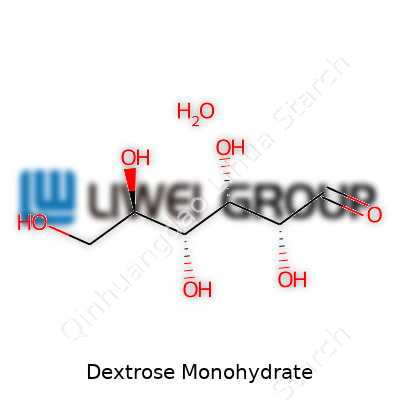
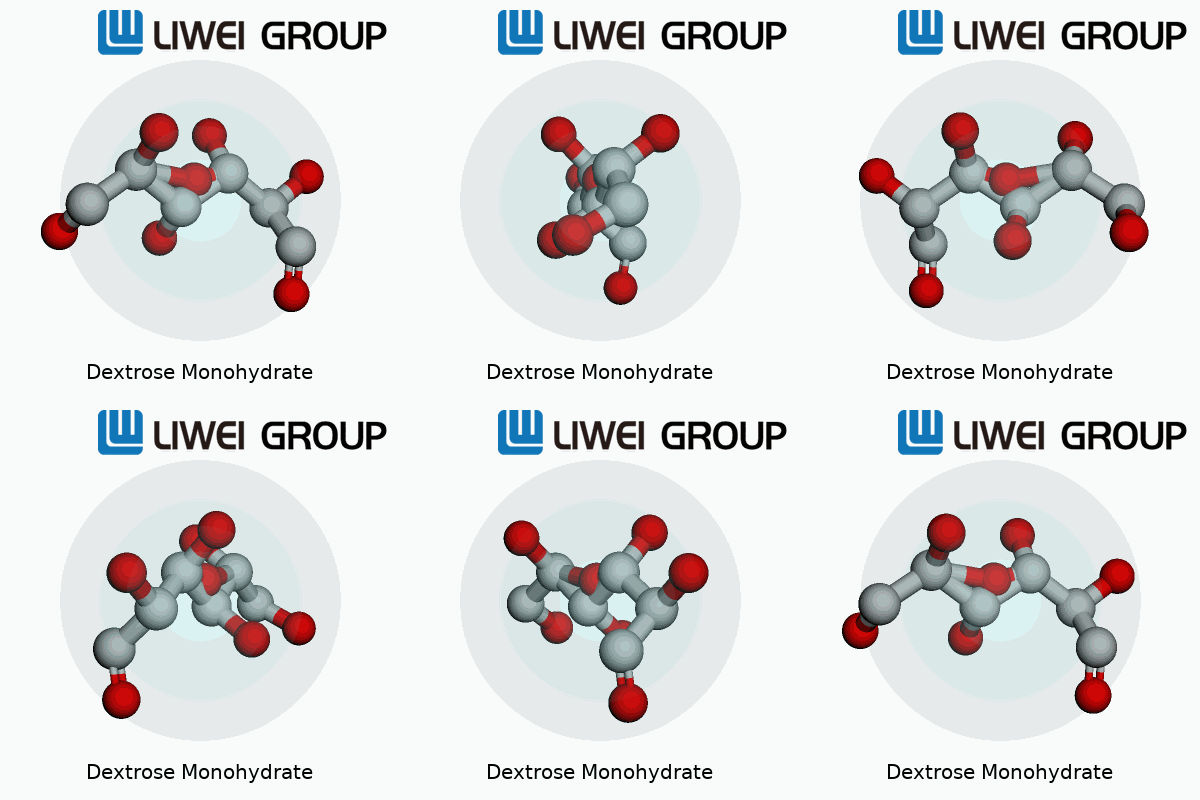
Dextrose Monohydrate: Commentary on a Modern Industrial Staple
Historical Roots Fueling Progress
Looking back, the road to dextrose monohydrate feels like a direct route from centuries-old curiosity about plant sugars to today’s massive food, beverage, and pharmaceutical engine. Corn became a favorite for large-scale production, especially in North America, thanks to the early 20th-century innovations. Early technologists extracted glucose from starch using acid hydrolysis. Over time, that process evolved to enzymatic techniques, sharply increasing purity and yield. Dextrose monohydrate, the crystallized form of glucose with one water molecule, entered the scene as factories chased reliable sweetness, consistent texture, and safety. It’s easy to overlook how these small changes — more efficient starch-to-glucose reactions or the shift to cheaper raw material sources — fed an entire ecosystem of confectionery, processed food, medical, and fermentation sectors.
Getting Familiar: Product Overview
Dextrose monohydrate carries a simple appeal: a white, crystalline powder, pure and easy to dissolve. It serves up sweetness slightly less intense than sucrose, yet its rapid absorption in the body makes it a darling for anyone needing fast energy. Sports drink makers know this, as do IV solution manufacturers. The presence of one water molecule strengthens shelf-life, caking resistance, and overall stability – less clumping means easier handling from factory floor to hospital ward. Unlike some specialty ingredients, people encounter it everywhere: baked goods, syrups, meat curing blends, tableting powders, and crop fertilizers.
Nuts and Bolts: Physical & Chemical Properties
Official numbers put the melting point just above 80°C, and the molecular formula as C6H12O6·H2O. Water solubility remains high, even at room temperature. Keep dextrose monohydrate in a dry space over an open bag, and in hours, you’ll watch it absorb moisture from the air — hygroscopicity at work. Taste? Clean and sweet, but not cloying. Chemically, it resists most mild acids and bases, but heat or strong acids will crack the ring into smaller sugars, or turn it brown (Maillard reaction) with amino acids. The body knows exactly how to digest it, converting it to energy through glycolysis as soon as it lands on the tongue.
Technical Specifications & Honest Labeling
Manufacturers set high bars for purity, clarity, and microbial safety. Pharmaceutical grades demand a purity north of 99%, trace metals below detection, and strict control over endotoxin levels. Food grades enable minor variation in moisture but flag heavy metals immediately. Labeling pulls no punches — regulations ask for clear, front-facing names like “Dextrose Monohydrate” or “Glucose Monohydrate”, and, for packaged foods, origin details and allergy statements where corn triggers concern. European labels often mention E number 1400-series, while US products display “GRAS” (generally recognized as safe) status. Traceability and batch numbers sit on nearly every industrial shipment, anchoring safety net for recalls.
All About Preparation: How It’s Made
Factories start with cornstarch, sometimes wheat or rice depending on region, and steep it in water. Enzymes go to work, snipping chains into smaller glucose units. The liquid slurry undergoes filtering, centrifugation, evaporation, and then seeds are introduced to trigger crystal formation. Those crystals drop, carrying their single water molecule, and get washed and dried under controlled conditions. Powder mills create different granularities, from bakery-friendly fine powder to coarser crystals for pharmaceutical tableting. Plants pump thousands of tons every year, with each lot tested for impurities, color, texture, and taste before shipping out.
Chemical Reactions & Modifications
Dextrose monohydrate doesn’t just sit as a finished product. Chemists transform it into sorbitol by hydrogenation or oxidize it to gluconic acid for use in food acidity regulation. It can feed yeast to produce alcohol or lactic acid. Under alkaline or thermal stress, it drives the Maillard reaction, which supplies baked goods with that beloved brown crust. Research stretches these modifications further, crafting biodegradable plastics, surfactants, and specialty health supplements. Each application tweaks process parameters — temperature, pressure, pH — to maximize yield, purity, and safety.
The Many Names: Synonyms & Product Names
On the global stage, dextrose monohydrate answers to several names. Some call it grape sugar or corn sugar, a relic from when table grapes served as a source. Glucose monohydrate, D-glucose monohydrate, and E 420 dot registry lists. Trade names edge into brand territory — Cargill calls it “Dextrose C”, Tate & Lyle brands as “Glucidex” for pharma, and ADM ships under simple “dextrose” labels. Anyone cross-referencing product sheets in food or chemical directories soon learns that, outside the US, “glucose” often trumps “dextrose” for the same chemical, thanks to early naming conventions in Europe.
Guardrails: Safety & Operational Standards
Food safety holds more weight than flashy marketing. Production lines keep microbial contamination far away through stainless-steel reactors, HEPA-filtered drying rooms, and batch quarantine. International standards demand GMP (Good Manufacturing Practice) and third-party audits. Anyone moving raw material through ports faces strict customs documentation, and finished material destined for infant formula or parenteral solutions passes through extra layers of scrutiny. Workers suit up in personal protective gear not just to avoid fine dust inhalation, but also to protect batches from human-borne microbes. Safety protocols ride on documented incident logs and near-daily recalibration of sensors and spectrometers.
Out in the World: Application Areas
This product glues itself into dozens of market niches. Bakeries rely on it to speed up yeast activation and fine-tune crust color. Beverage manufacturers pump it into isotonic sports drinks for immediate rehydration and carbohydrate recharge. Medical producers count on it for IV solutions that avoid allergic reactions and speed patient recovery. Feed industry players add it as an energy boost for young livestock. Chemical makers value its role as a fermentation feedstock. Personal care brands experiment with it as a humectant. Its biological compatibility scores it a place in microbiology growth media, and researchers even throw it into bacterial culture broths. The reach keeps expanding as new dietary trends and industrial uses pop up.
Scanning the Horizon: Research & Development
Current research follows health demands and environmental pressures. Developers seek low-glycemic dextrose analogs or process tweaks that cut production emissions. Food manufacturers push for non-GMO sources and allergen labeling clarity. Medical scientists test dextrose-based hydrogels for targeted wound healing, while green chemists probe its potential in bioplastics and surfactants. Process engineers look at membrane filtration or enzymatic cascade reactions to improve purity and cut costs. Clinical studies, especially around metabolic disorders and diabetes management, dig into controlled release formulations and plant-based alternatives.
Call for Precision: Toxicity Research
Glucose, as a natural energy source, rarely triggers toxicity at dietary levels. Problems arise only when intake soars unchecked, especially for people with diabetes. Toxicity panels test chronic exposure, acute oral doses, inhalation in processing plants, and the safety of breakdown products. Recent analyses confirm that food-grade and pharmaceutical-grade material pose little risk outside of medical misapplication. Manufacturing plants spend significant effort reducing dust in air, not because dextrose is a chemical hazard, but because any fine organic dust can trigger respiratory or explosion risks with large quantities. Regulators lean hard on plant audits because safety lapses can spiral quickly when food and pharma supply chains get tangled.
Gazing Forward: Future Prospects
Climate change, shifting consumer priorities, and more attention on metabolic health put dextrose monohydrate at a crossroads. Demand stays strong in developing regions, both for direct consumption and as an indirect ingredient in fermentation. Companies look to bolster sustainable sourcing, energy-efficient processing, and improved packaging to minimize dust and waste. The medical sector eyes growth in parenteral nutrition and advanced therapies. Food security debates spur research into new starch sources or ways to pair dextrose with fiber and protein for slower absorption. Down the line, expect to see “green” dextrose labels and more data-driven approaches tying consumption patterns to health outcomes. As technology and nutrition science evolve, industrial players and policymakers both have roles to play connecting product histories to healthier, more sustainable futures.
The Role of Dextrose Monohydrate in Everyday Life
Dextrose monohydrate might sound like something you’d expect to find in a lab, but it shows up in all kinds of places—grocery stores, hospitals, bakeries, and sports fields. Folks who know it by its common name, glucose, see it as sugar. To be plain, this ingredient feeds more than just taste buds.
Keeping Foods Fresh and Sweet
Walk down the candy aisle or grab a loaf of sliced bread, and dextrose monohydrate likely joined the mix. Big food producers reach for it because it sweetens, but also because it helps products keep a steady texture over time. More than once, I’ve baked cookies with both table sugar and this powder—dextrose keeps them soft longer. Technical talk aside, anyone who packs lunch for later knows a soft snack feels fresh, not stale. That makes a difference.
Hidden Help in Hospital Care
I learned about another side to dextrose one summer during a hospital internship. Doctors turn to dextrose monohydrate to restore energy in patients who can’t eat or who show low blood sugar during treatment. Patients waking from surgery or dealing with diabetes sometimes need quick sugar in their veins, and that comes from solutions with dextrose. It keeps people safe when a banana or juice just won’t work. In emergencies, the fast action of dextrose can be a lifesaver—quite literally.
Energy on Demand for Athletes
Athletes and fitness-minded folks look toward drinks or gels with dextrose after tough workouts. Muscles get tired and need refueling, and this sugar delivers exactly what the body craves—energy, quickly. I’ve seen runners recover faster and train better when they add controlled amounts of dextrose to their regimen. This is no miracle cure, but a targeted way to keep energy stores from crashing after long efforts. Sports nutrition companies tout this because it’s easy for the digestive system to absorb.
Other Corners of Industry
Beyond food and medicine, companies use dextrose monohydrate in making vitamins, antibiotics, and even in some fermentation processes. The process isn’t glamorous, but these products touch daily life all over. Craft beer makers and pharmaceutical companies alike find it reliable when they need a steady, controlled source of glucose. It makes yeast happy, drives certain chemical reactions, and helps stabilize products that need to last on shelves.
Safety and Quality
Any popular food ingredient draws questions about safety. Dextrose monohydrate goes through checks for purity, and regulators like the FDA review its use. For most people, dextrose ranks as safe, as it’s just another form of sugar. People living with diabetes do need to pay close attention though, because high intake can spike blood sugar.
Paths Forward: Health and Transparency
The conversation around sugar intake grows louder every year. Some solutions, like clear food labels and education about portion size, help people make informed choices. We all share that responsibility—manufacturers, doctors, and shoppers alike. As food and medicine continues to evolve, honest discussion about how and why we use ingredients like dextrose monohydrate builds trust. Everyone wins when facts lead the way instead of hype or confusion.
Why People Keep Asking About Dextrose Monohydrate
Questions about the safety of food ingredients never stop coming up. Dextrose monohydrate lands on ingredient lists for a lot of foods, from baked goods to drinks. At the grocery store, the word “dextrose” doesn’t mean much to most shoppers. Some see a chemical-sounding name and feel uneasy about what’s going into their bodies. Now that more people are looking at what they eat, it makes sense to ask: Should you worry about dextrose monohydrate?
Where Dextrose Monohydrate Comes From
Dextrose monohydrate comes out of corn, usually, after processing breaks starches down into simple sugars. This sugar matches the glucose your body uses for fuel. It doesn’t have the same structure as table sugar (sucrose). In many homes, it gets used in baking for browning or as a sweetener, and companies stick it into cereals, energy drinks, and snacks. Medicines and IV solutions use it too, especially in hospitals where patients need quick energy.
The Science on Safety
The U.S. Food and Drug Administration (FDA) calls dextrose “Generally Recognized As Safe” (GRAS) for use in foods. Regulatory agencies in Europe and Australia say similar things. Research shows healthy people can eat moderate amounts without harm. The body takes in dextrose, uses it for energy, and stores any leftover as glycogen for later. People living with diabetes have to watch their intake more closely. Dextrose raises blood sugar levels quickly. Athletes sometimes use it after exercise to help refill energy stores.
Concerns Over Too Much Sugar
No food ingredient sits in isolation. Dextrose, despite its medical and culinary uses, still counts as a sugar. Large-scale health surveys continue to show that eating too much added sugar can push up the risk of obesity, heart disease, and tooth decay. The World Health Organization suggests getting less than 10% of daily energy from added sugars, dextrose included. The problem isn’t just the ingredient—it’s the huge amounts many people eat daily.
Why Ingredient Transparency Matters
A lot of confusion comes from complicated labeling. Dextrose can show up on a label where most people expect “sugar” or “glucose.” Some shoppers want clear answers, not hidden ingredients with long names. The move toward clear labeling gives people more control over their diets. Governments around the world have started pushing for labels that explain added sugars up front, so shoppers make informed choices.
What Choices to Make
Dextrose monohydrate doesn’t cause harm in normal food quantities for most people. If you track your sugar, especially for health reasons, pay close attention to the added sugar lines on nutrition labels. Cooking from scratch helps, since you know exactly what lands in your food. For those managing diabetes, talking with a health professional before making changes is always the safest route.
Better Approaches for the Future
People need facts, not fear, to make good decisions. Governments and food makers share responsibility here. Public health guidelines keep evolving as new research comes out, and it helps when industry takes steps to limit unnecessary sugars in products. Kids’ snacks, school lunches, and hospital menus all need attention. In the end, reading labels, asking questions, and sticking with balanced eating habits give families more freedom and fewer worries about ingredients like dextrose monohydrate.
Understanding What Freshness Means
Dextrose monohydrate comes up everywhere—pharmaceuticals, bakeries, beverage factories, and the home kitchen. Open a bag, and you’ll spot a white, crystalline powder ready to boost sweetness or support vital processes. Many don’t realize, though, that getting the best out of dextrose monohydrate depends largely on how you store it. I once saw an expensive bag spoil in two weeks just because it sat open under the wrong conditions, so it’s not just a “theoretical” issue.
The Trouble with Moisture and Air
Dextrose monohydrate absorbs moisture from the air easily. I’ve felt the difference just running a finger through a properly sealed jar versus one left cracked on a humid day. If it soaks up moisture, the powder turns clumpy, hard, sometimes sticky. That makes measuring impossible and, in industries like food manufacturing, risks whole batches going to waste. It’s hard to recover a product that starts caking.
Not only that, but unwanted moisture offers a haven for microbial growth. Food safety doesn’t leave room for error. Studies from the FDA and food safety authorities warn that sugars and carbohydrates stored in humid spaces can host bacteria and molds. Left unchecked, what seems like a small loss of freshness quickly grows into something risking health.
Temperature Has a Say Too
Warm storerooms speed up spoilage. In high temperatures, the powder clumps even faster. In my past work at a bakery, keeping the temperature steady meant the powder lasted months rather than weeks. Sudden temperature swings—think moving stock from freezing cold to warm rooms—also pull moisture from air right into the dextrose.
Keep It Dry, Cool, and Sealed
Airtight containers sit at the top of my essentials list. Sealing out air keeps not just moisture but also odors from contaminating the white powder. A pantry with dry air and a steady temperature avoids most issues. That’s not just a personal recommendation; industry standards and manufacturer guidelines echo the call for cool, dry, clean spaces away from direct sunlight.
Temperature targets hover below 30°C (86°F), as seen in guidance from food and pharma groups. High heat lies behind problems like caramelization and stickiness in sugars. Manufacturers often stamp their own expiration dates and storage tips, and ignoring these cut corners doesn’t save money—loss from spoilage quickly adds up.
Hands-on Steps for Home and Industry
For small quantities, mason jars or vacuum seal bags work wonders. Avoid plastic grocery bags or thin ziplocks—they almost always leak air. In commercial places, store large sacks off the floor on shelves to dodge water leaks and pests. Rotating stock helps too: old goes out before new comes in.
Dedicate well-labeled bins so no one accidentally opens and contaminates a container early. Cross-contamination crops up fast, especially where flours, spices, and sugars pile together. Take it from anyone who’s scooped sugar from an open container only to taste hints of spices or stale odors.
Looking Forward
Some large-scale facilities explore dehumidifiers and air conditioning, but even at home, taking a little care—checking seals, cleaning storage tins, watching for clumps—gives better results and prevents waste. Dextrose monohydrate costs real money. Treat it with respect, and you get every bit of its value, whether you’re baking bread, mixing energy drinks, or running a lab.
Straight from the Sugar Shelf
People see dextrose listed on nutrition labels and supplement tubs. Some recipes call for it. Pharmacies stock it. But walk into a chemical warehouse and you’ll see two listings: dextrose monohydrate and dextrose anhydrous. They share almost the same name and purpose, but chemistry draws a line between them. Having used both in baking and seen their use in healthcare, a lot comes down to water.
What Sets Each One Apart
Dextrose starts as a simple sugar, chemically identical to glucose, from corn starch. The difference between monohydrate and anhydrous lies in the water attached at the molecular level. Dextrose monohydrate crystals each carry a molecule of water. Dextrose anhydrous goes without. This sounds minor, yet in practice, it shifts everything from weight to how the body absorbs it. A bag of monohydrate has more water content and less actual sugar by weight than the same-size bag of anhydrous. One molecule of water per glucose doesn’t sound like much, but by the ton, it counts.
How the Differences Matter Day-to-Day
Let’s talk kitchens. I once swapped dextrose monohydrate for anhydrous in a bread recipe. The dough turned out much sweeter and stickier. That’s because anhydrous is denser—gram for gram, you get more sugar and a faster boost to fermenting yeast. Bakers chasing consistency learn these details the hard way. On the production floor, beverage manufacturers and supplement makers don’t ignore percentages. They order a certain type and stick to it to keep flavors and nutrition panels predictable.
Healthcare routines also notice the split. Hospitals use dextrose to manage low blood sugar or for patients needing nutrition through an IV. Dosing depends on the exact type. Get it wrong and blood sugar climbs too fast or not enough. That’s why pharmacists label and double-check. Even candy makers keep it straight. Dextrose monohydrate provides a softer, slower-dissolving sweetness, while anhydrous brings a crisp pop and quick kick, useful for those candy “popping” crystals kids love.
Why Some Industries Favor One Over the Other
Cost always comes into play. Dextrose monohydrate is cheaper to produce and store, so you’ll see it everywhere from cake mixes to some pharmaceutical tablets. Its water content buffers against clumping in humid conditions—ask any summer-time baker or candy packager about that headache. Anhydrous, with its dense sugar hit, gets the nod where every gram matters, such as medical dosing or specialized chemical processes. Its ultra-rapid absorption helps athletes looking to refuel fast, but the price point pushes many supplement companies to stick with monohydrate unless the label claims demand otherwise.
Sharpening Up Label Awareness
The science shades into the background for most shoppers, but clarity on labels helps the public understand doses and nutritional values. After handling plenty of raw bags labeled only “dextrose,” I think it’s overdue for brands to spell out which kind they use. A clearer difference could actually help people with diabetes, athletes, or anyone tracking added sugars—the kind of folks digging into ingredient lists already. Regulations keep inching forward, but consumer awareness drives the need for real transparency.
Paths Toward Improvement
Industry and health professionals should push for better training and labeling standards. Clear, honest labeling can cut confusion, especially for those managing health conditions. In kitchens, bakers and chefs benefit from quick dosing guides. For consumers, tools and apps comparing different types of sugar at the point of purchase can make healthy choices simpler. The fine print matters—a little water in the sugar changes everything in the end product or on the dinner plate.
Food and Beverage: The Everyday Ingredient
Walk into any supermarket and chances are you’ll find dextrose monohydrate in everything from sports drinks to baked bread. It’s a simple sugar, made from corn, that brings sweetness but also affects texture and shelf life. Bakeries use it for its consistent sweet profile, helping bread brown and boosting yeast activity. Confectioners like its straightforward sweetness and reliable crystal structure—it helps chocolate stay smooth and keeps gummy bears soft and chewable. Manufacturers rely on its ability to hold moisture, which helps snacks and packaged foods taste fresh even after weeks on a shelf.
From my own kitchen experience, adding a pinch of dextrose when making homemade ice cream keeps it scoopable, not icy. In commercial kitchens, that same trick scales up, letting ice cream companies promise that creamy spoonful every time.
Pharmaceutical Industry: The Versatile Medicine Helper
Visit a hospital, and dextrose often appears in IV bags. These solutions deliver quick energy to patients who can’t eat, supporting recovery when nutrition can’t come through food. Pharmacists favor it because the body recognizes dextrose easily, and it dissolves cleanly in water. Tablets often use dextrose as a filler—it carries the active ingredient, breaks down fast, and tastes mildly sweet without dominating flavor.
Having spoken with pharmacists and friends who work in compounding, they point out that dextrose keeps medications stable. Its quick absorption is key during emergencies, such as hypoglycemia, when blood sugar drops too low.
Animal Nutrition: Energy Boost for Livestock
Farmers count on dextrose to perk up young or sick animals. It mixes into feed to help piglets, calves, or chicks that need a quick source of energy. Unlike table sugar, animals process dextrose swiftly, making it ideal for fast recovery or growth. It even helps mask off flavors in some feeds, encouraging animals to eat well even when they’re stressed.
Growing up around family farms, I saw dextrose added to water troughs during lambing season. The boost helped lambs start strong, especially during rough weather.
Biotechnology and Industry: Fuel for More Than Food
Research labs and industrial fermentation companies lean on dextrose to feed microbes. Scientists grow bacteria and yeast for everything from antibiotics to biofuels, and dextrose provides a reliable food source those microbes need. From my time in a student biology lab, I remember the stack of dextrose containers next to petri dishes—it powered experiments that explored new medicines.
Alcoholic beverage producers use dextrose, too. Brewers add it during fermentation for steady carbonation and a clean finish. Winemakers turn to it to fine-tune sweetness and guarantee consistent results batch after batch. Its clean taste and reliable fermentation stand out, especially in large-scale production.
Beyond the Obvious: Specialty Uses
Cosmetic companies sometimes use dextrose as a humectant, helping retain moisture in creams and lotions. Because it’s safe on skin and recognized by regulatory bodies, it fits well in personal care lines. Even the paper and textile industries get involved—dextrose can improve finishes and support the smooth application of dyes.
Whether fueling recovery in hospitals, sweetening a daily snack, or even supporting science, dextrose monohydrate touches more corners of modern life than most realize. It’s the kind of ingredient that shows up quietly, offering reliability where it counts.